What is Ginger?
Ginger, also known as Zingiber officinale,
is inaccurately referred to as “ginger root”, although the edible
section sold in the markets and used in dishes is actually the stem or
the rhizome. In many places, it is mostly used in sweets and alcoholic beverages such as ginger beer and wine.
However, in Asian cultures, it is directly used by chopping it up or
using its powder in traditional dishes and in soft drinks such as coffee and tea. Ginger’s irresistible fragrance is due to an essential oil in its composition that has been coveted and extracted by perfume makers since ancient times.
Not only is ginger known as an essence and a spice, it is known to be one of the oldest remedies in herbal and aromatic traditional treatments, especially in China, India, and the Middle East. In China, it has been used for over 2,000 years for curing inflammation and diarrhea. Native to the Indo-Malaysian rain forests, ginger favors lush, moist, tropical soils for cultivation.
Its cultivation may have begun in southern Asia, but it has now
spread to East Africa and the Caribbean as well. Ginger’s perennial
plant grows bright red flowers that come in different shapes such as
torch and honeycomb and are often used in seasonal festivals in the
South Pacific for the decoration of stalls, houses, and even dresses.
Queen Elizabeth I of England, a fan of ginger herself, was the one to
invent the gingerbread man in the 16th century, and it is now loved by
millions of children (and adults) around the world. The gingerbread man
was presented at a Royal ball, and several were made to resemble
respected guests as well.
Today, ginger is on the FDA’s list of generally safe foods and is often used to mask the taste of bitter medicines such as cough syrups.
Health Benefits of Ginger
The various health benefits of this amazing root are given below:
Improves Bone Health
Ginger is known to boost bone health and relieve joint pain. Two years ago, a study was conducted by the University of Miami that had several patients from different backgrounds and ages, who suffered
from symptoms of osteoarthritis. The patients have then weaned away
from anti-inflammatory and analgesic medications for cleansing purposes.
A week later, they were split into two groups; one was put on a placebo
and the other on ginger supplements. After six weeks of intensive
dosage, a survey was conducted among the two groups. Both groups felt
improvement, but 63% of the ginger group felt a notable pain reduction,
while only half of the placebo group recorded notable improvement. The
last test was for the patients to walk the distance of 50 feet, which
proved to be far easier for the ginger group and their results showed
twice as much improvement than the test subjects who were on placebos.
Ginger has a number of unique organic compounds, which have actually
been named gingerols, and these are powerful anti-inflammatory compounds
found in food. These gingerols have been directly associated with improvements
in knee inflammation and associated pain, as well as suppressing the
inflammatory compounds like cytokines and chemokines at the source
before they can begin to affect the body. Ginger represents both a
preventative measure and a treatment for inflammation and its associated
pain.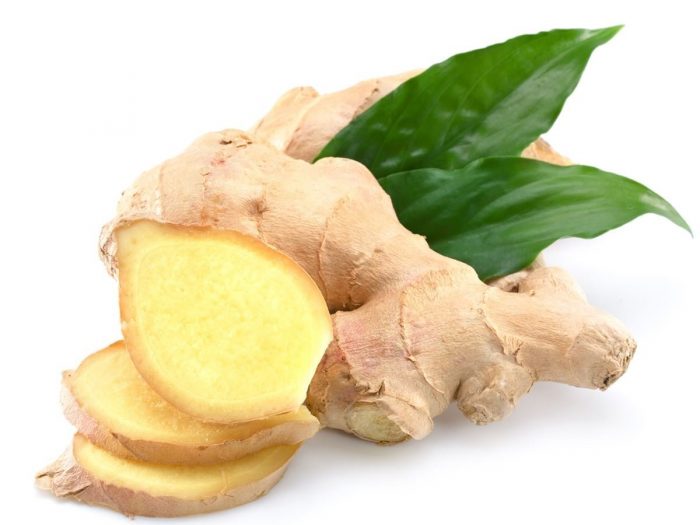
Treats Diarrhea
Ginger has been used since ancient times
to cure diarrhea, and it was recently proven by researchers that it
indeed helps, since it prevents stomach spasms and gas that contribute
to and stimulate diarrhea. In China, its powder has been given to those
with diarrhea for thousands of years; scientists have concluded that the
ancient ways are indeed beneficial for this condition.
Removes Excess Gas
Ginger is a very strong
carminative, meaning that it induces excess gas elimination. Excess gas
does much more than leaving you in an uncomfortable situation and it
can be dangerous to your health. Too much gas built up in your system
can force upwards and put pressure on delicate organs in the torso. A
carminative like ginger forces the gas down and out in a healthy way and
also prevents additional gas from building up again.
Aids in Digestion
Ginger has been discovered to be a facilitator of the digestive process. The elevated sugar
levels after a meal may cause the stomach to reduce its natural rate of
emptying its contents. Ginger helps in regulating high sugar levels
that may disrupt digestion and soothe the stomach, thus, maintaining its
regular rhythm. Along with that, it has a number of compounds that
improve the absorption of nutrients and minerals from the food we eat. This is why ginger is also frequently used as an appetizer or an aperitif since it can stimulate
the appetite while preparing the digestive system for an influx of
food. It is popular in Asian countries as an appetizer or raw menu item
for precisely this reason.
Prevents Cancer
One of the most exciting developments in the discussion of ginger and
its impact on human health has been the positive correlation between
the organic compounds in ginger and the prevention
of cancer. Gingerols, the same compounds which give ginger its
anti-inflammatory qualities, have also been shown to prevent
carcinogenic activity in the colon that can lead to colorectal cancer.
This is yet another way that ginger benefits the gastrointestinal
system, making it a perfect addition on the side of every meal. However,
more recent studies have also connected these gingerols to apoptosis in
ovarian cancer cells, thereby reducing tumors and the growth of cancerous cells, without harming the healthy cells around them.
Detoxifies & Disinfects
Ginger is good at promoting sweating. Sweating not only cleans out
the pores and allows your body to eliminate toxins, but research has
also shown that sweat includes a germ-fighting compound, named
dermcidin. It has been positively connected to reduced bacterial and
viral infections in a person who sweats regularly since it can create a
sheen on the skin, which is a protective layer of previously unknown proteins!
Increases Sexual Activity
A known aphrodisiac, ginger has been used for
years to arouse desire and enhance sexual activity. Ginger’s scent has a
unique allure that helps in establishing a sexual connection. This root
also helps increase blood circulation, hence blood flows more easily to
the mid-section of the body, an important area for sexual performance!
Prevents Menstrual Cramps
Cramps are the body’s way of alarming an individual to some type of
danger or damage. In this case, prostaglandins, which are hormones that
function as chemical messengers, are the key activators of symptoms such
as cramps, pains, and fevers. Scientists believe that high levels of prostaglandins contribute to increased menstrual cramps. Ginger helps by reducing the levels of prostaglandins in the body, hence relieving the cramps.
Reduces Nausea
Studies have concluded that ginger helps in
curing nausea connected with pregnancy, motion sickness, and
chemotherapy. Its quick absorption and rapid regulation of body
functions cure nausea without the side effects of modern medications.
Treats Flu
Ginger has been prescribed
to fight illnesses and infection for all the ages. Its soothing effect
helps to reduce the body’s emergency symptom responses to the damaged
cells in the body. While the white cells work on patching the cells and
defending against the illness, ginger acts a barrier to the high levels
of prostaglandins that induce fever, headache, and cramps.

0 comments:
Post a Comment